The Technological Revolution of Direct-to-Film
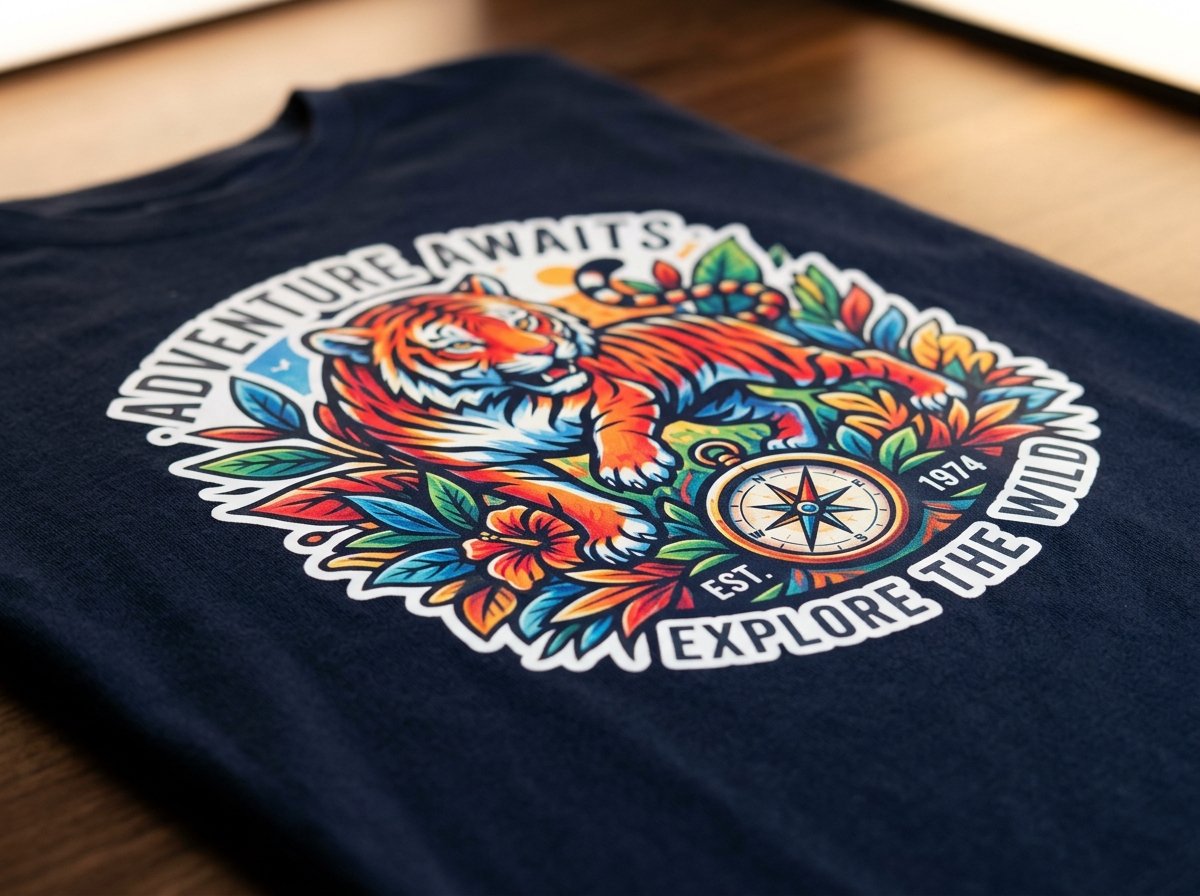
Direct-to-Film (DTF) transfer printing has fundamentally disrupted garment decoration across India. Apparel entrepreneurs no longer need to pay exorbitant screen separation charges for multi-color designs, nor do they need to weed intricate vinyl decals.
How Does DTF Printing Actually Work?
- Digital Printing: Precision micro-piezo heads print CMYK pigments onto a clear release film, immediately backed with a solid white ink underbase.
- Powder Application: Thermoplastic polyurethane (TPU) adhesive powder is distributed uniformly across wet white ink and melted in an infrared tunnel oven.
- Heat Pressing: The cured film is pressed onto garments at 160°C for 15 seconds, cold peeled, and post-pressed for soft fabric hand-feel.
Durability & Washability Standards
OrderPrintex calibrated DTF transfers withstand 50+ commercial washing cycles with zero cracking, flaking, or pigment wash-out when cared for correctly (wash inside-out with cold water).